

Have you ever stepped on a rogue LEGO brick while hunting for a missing math worksheet?
Or listened to your child panic, “I can’t find my project!” — only to discover it’s buried under a pile of crumpled papers and half-eaten snacks?
If this sounds familiar, you’re not alone.
For parents everywhere, managing school supplies, homework, and endless handouts can feel like a never-ending cleanup cycle.
The good news? You don’t need a perfectly curated Pinterest setup or hours of free time. With realistic, practical strategies, you can create a system that actually works — even in the busiest households.
This guide is designed for real families with real challenges.
We’ll walk you through simple, proven steps to organize your child’s study materials, reduce clutter, and make homework time less stressful — all while respecting privacy and focusing on what truly matters: helping kids learn with confidence.
Why Organization Matters (More Than You Think)
A cluttered workspace doesn’t just make life harder — it can impact your child’s focus, self-esteem, and ability to complete assignments on time.
Research shows that students with organized study spaces are more likely to stay on top of deadlines and feel less anxious about schoolwork.
But let’s be honest: most parents aren’t aiming for perfection. We just want our kids to stop losing their book reports and to find their scissors when they need them.
The key? Simple systems that match your family’s rhythm — not someone else’s ideal.
Step 1: Declutter First (Yes, Really)
You can’t organize chaos — you have to clear it first.
Real-life example: One parent shared how they discovered a science worksheet from two months ago, three dried-up glue sticks, and an unsigned permission slip at the bottom of their child’s backpack. After a 20-minute weekend cleanup — sorting papers into “keep,” “return,” and “recycle” — the backpack stayed functional for weeks.
How to do it:
- Empty backpacks, desks, and drawers
- Sort papers: homework, graded work, upcoming projects, flyers
- Recycle outdated worksheets and old artwork (take photos first if sentimental)
- Toss broken pencils, dried-up markers, and mystery snacks
Pro tip: Make this a monthly ritual. Kids accumulate materials fast — a quick reset keeps things manageable.
Step 2: Create a Dedicated Study Zone
You don’t need a full home office. Even a corner of the dining table or a cleared section of a bedroom desk can become a reliable study spot.
What to include:
- A flat, stable surface for writing
- Good lighting (natural light or a desk lamp)
- Supplies within reach: pencils, erasers, ruler, glue, scissors
- A labeled bin or caddy for each child
Real-life example: A family in a small apartment repurposed a bookshelf into a “study station.” One shelf holds notebooks, another has a bin for art supplies, and a third displays current projects. It’s not fancy — but their child now knows exactly where to go when it’s time to focus.
Step 3: Use a System That Matches Your Child’s Age
One-size-fits-all doesn’t work when it comes to kids’ organization.
For ages 5–7 (Early Elementary):
- Use color-coded folders: red for math, blue for reading, green for art
- Add picture labels for pre-readers
- Try a weekly homework chart with stickers for completion
For ages 8–11 (Upper Elementary):
- A 3-ring binder with labeled dividers (one per subject)
- A simple homework planner (paper or digital)
- A supply caddy they can carry between rooms
For ages 12–14 (Middle School):
- A shared digital calendar (Google Calendar works well)
- Subject-specific notebooks or binders
- A “to-return-to-school” bin near the front door
Real-life example: When a child started middle school, their parent set up a shared digital calendar where assignment due dates were added. Family alerts helped avoid last-minute project scrambles — and improved communication between home and school.
Step 4: Tackle Papers the Right Way
Loose papers are the #1 cause of clutter and lost assignments.
Try the 3-bin system:
- Inbox: All incoming papers (handouts, flyers, graded work)
- Action: Papers that need a signature, return, or follow-up
- Archive: Completed work to keep (organized by subject or month)
Check the “Action” bin every evening. File or recycle the rest weekly.
Bonus: Use a hanging file folder labeled with your child’s grade and year. Store it in a closet or under the desk for easy access.
Step 5: Make It a Family Habit
Organization isn’t a one-time fix — it’s a routine.
Daily:
- Spend 5 minutes tidying the study area
- Check backpacks and refill supplies
Weekly:
- Review the planner or calendar
- Empty and clean the “Action” bin
Monthly:
- Declutter again
- Celebrate small wins (“You kept your desk clean all week — let’s pick a fun family movie!”)
Real-life example: One family started a “Sunday Night Reset.” They clear the kitchen table, refill pencil cups, and review the week ahead. It takes less than 10 minutes — but it’s become a calming ritual that sets the tone for the week.
Step 6: Involve Your Child (Seriously!)
Kids are more likely to stick with a system they helped create.
- Let them pick folder colors or decorate supply bins
- Ask, “Where do you think this should go?”
- Praise effort, not perfection: “I love how you put your math book back in the right spot!”
Even a 6-year-old can be responsible for their own pencil pouch — with a little guidance.
Bonus Tips for Busy Parents
- Use a command center: A wall organizer near the door with labeled pockets for each child
- Go digital when possible: Scan important papers or use cloud storage (Google Drive, Dropbox)
- Label everything: Name tags on supplies, labels on bins — lost items drop significantly when things are labeled
- Keep spare supplies: A backup stash of pencils, glue, and paper saves last-minute panic
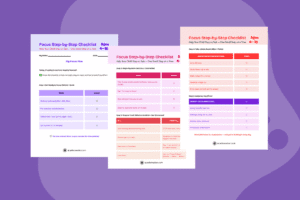
📄 Printable Summary Available!
Want a free downloadable PDF of this guide to print and keep?
Laminate it, stick it on the fridge, or keep it in your planner—it’s your go-to tool for staying organized all school year.
Conclusion
Organizing your child’s study materials isn’t about creating a flawless system — it’s about reducing stress, building responsibility, and making learning a little easier for everyone.
You don’t need expensive organizers or hours of free time.
Just a few consistent habits, some labeled bins, and a willingness to adapt as your child grows.
Start small. Pick one tip from this guide — maybe the 3-bin paper system or a weekly reset — and try it this week. Celebrate the small wins.
Because when your child finds their homework without a meltdown, or turns in a project on time, that’s not just organization. That’s parenting victory.
Frequently Asked Questions (FAQs)
Q: My child refuses to clean up. What do I do?
A: Start small. Try a 2-minute cleanup challenge with a timer. Pair it with a reward — like choosing the next bedtime story. Make it fun, not a battle.
Q: How do I handle a messy older child who says they “work better in chaos”?
A: Respect their style — but agree on one system they must use, like a planner or digital calendar. Let them keep their desk messy, but ensure key items (homework, supplies) are accessible.
Q: What if we don’t have space for a study area?
A: Use a rolling cart or a lap desk. Rotate spaces — kitchen table during dinner prep, couch later. Consistency matters more than location.
Q: How often should I replace school supplies?
A: Mid-year is a great time to refresh. Check supplies every semester. Keep a running list on your phone of what’s running low.
Q: Are digital tools better than paper?
A: It depends on the child. Some thrive with apps and calendars; others need tactile planners. Try both and see what sticks.





No comments yet. Be the first to comment!
Please log in to post a comment.