
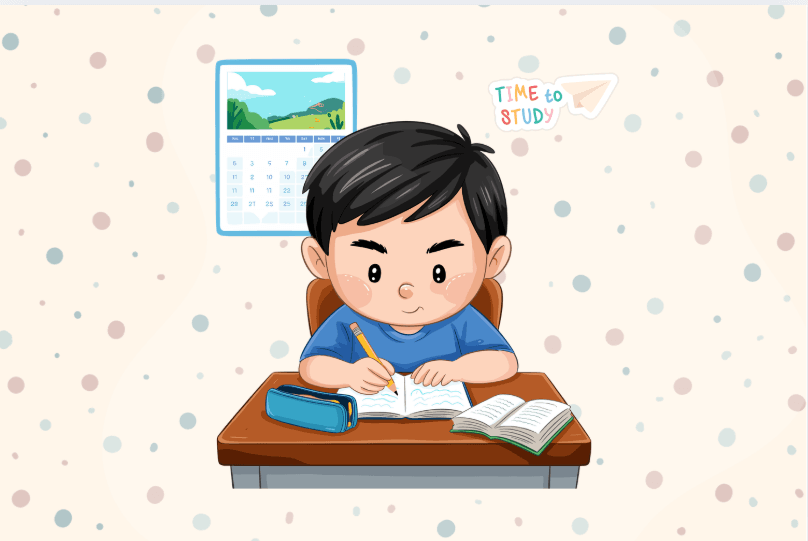
Homeschooling doesn’t require a full classroom. In fact, one of the keys to success is having a dedicated learning spot no matter how small.
A well-designed homeschool corner helps your child:
- Stay focused during lessons
- Build consistent routines
- Feel confident and organized
The good news? You don’t need extra rooms or expensive furniture. With smart planning, you can create a functional, inviting space using what you already have
This step-by-step guide will show you how to design a homeschool corner that works for your family whether you live in an apartment, share a room, or want a quiet zone in your living area.
Let’s get started.
Step 1: Choose the Right Location
Look for a spot that is:
- Quiet and away from high-traffic areas
- Well lit (natural light is best)
- Free from distractions like TV or toys
Good options include:
- A corner of the dining room
- Part of a bedroom or playroom
- A section of the living room with a screen or shelf for separation
📌 Tip: Observe where your child naturally likes to read or draw. That might be your ideal starting point.
Step 2: Set Up a Learning Surface
Your child needs a stable surface for writing, reading, and using devices.
Choose one based on your space:
- Child-sized desk – Best for long-term use
- Table with a chair – Great for shared spaces
- Lap desk or tray – Ideal for flexible seating or young learners
Make sure:
- Feet can rest flat on the floor
- The surface is at elbow height when seated
- There is enough room for books and supplies
For older kids, consider a sit-stand desk to support movement and focus.
Step 3: Add Essential Supplies Within Reach
Keep daily tools close to avoid interruptions.
Use bins, caddies, or drawers to store:
- Pencils, erasers, crayons
- Scissors, glue, tape
- Notebooks and folders
- Reading books
- Math manipulatives or flashcards
Label each container so your child can find and return items independently.
📌 Pro tip: Rotate materials based on weekly topics. Store extras out of sight to reduce clutter.
Step 4: Organize Learning Materials
A tidy system keeps stress low and learning flowing.
Try these ideas:
- Use a bookshelf or cart with labeled bins by subject (Math, Reading, Science)
- Hang a pocket chart or folder holder for daily schedules and worksheets
- Keep a binder or folder for completed work
- Use a hanging file organizer for handouts and upcoming projects
Color coding by subject or day can help visual learners stay on track.
Step 5: Create Visual Supports
Kids thrive on predictability.
Add helpful visuals to your homeschool corner:
- Daily schedule with pictures or words
- Subject rotation chart
- Calm-down tools (like breathing cards)
- Goal tracker or reward chart
- Inspirational quote or growth mindset poster
These don’t need to be fancy. Print, laminate, and tape them to the wall or attach with sticky putty.
Step 6: Limit Distractions
Even small distractions can break focus.
Reduce them by:
- Turning off background TV or music unless intentional
- Keeping toys in another area
- Using noise-canceling headphones if needed
- Charging devices out of reach during lessons
If screens are part of learning, keep them face down when not in use.
Step 7: Make It Inviting
A cozy, positive environment encourages engagement.
Ways to personalize your corner:
- Add a small rug or cushion
- Include a plant or soft lighting
- Let your child pick a decoration or photo
- Use cheerful colors or themed supplies (if it helps focus)
Avoid over-decorating; too much visual input can overwhelm.
Step 8: Build a Routine Around the Space
A great setup only works with consistent use.
Start each day in the homeschool corner with a simple ritual:
- Greet the space with a high-five or song
- Check the schedule together
- Gather supplies before beginning
End with a reset:
- Put supplies back
- Tidy the area
- Celebrate one win from the day
This builds responsibility and makes cleanup easier.
Bonus Tips for Small Spaces
No room? No problem. Try these space-saving ideas:
- Use a wall-mounted fold-down desk
- Repurpose a closet with shelves and a chair
- Use a rolling cart that can be tucked away
- Designate a “learning tray” for younger kids who move between areas
Remember: consistency matters more than size.
Final Thoughts
Creating a homeschool corner isn’t about perfection. It’s about providing a consistent, calm place where your child feels ready to learn.
Start small. Pick one step—maybe setting up a supply bin or choosing a quiet spot—and go from there.
With time, your homeschool corner can become a space of connection, curiosity, and confidence.
You’ve got this.
📄 Printable: Homeschool Corner Setup Checklist (Free Download)
Want a simple checklist to guide your setup?
👉 Download your free printable here
Includes all steps, a supply list, and layout tips.





Please log in to post a comment.