

Creating a dedicated and organized learning space at home can make a huge difference in focus, motivation, and academic success whether your child is doing homework, attending virtual classes, or preparing for exams.
In this guide, we’ll walk you through 7 essential steps to design a productive, calming, and functional learning environment for students of all ages from early learners (Pre-K) to high schoolers (Grade 12).
Let’s build a space where learning feels natural, not stressful.
Step 1: Choose the Right Location
What to Look For:
- Quiet area with minimal distractions (away from TV, kitchen noise, foot traffic)
- Natural light if possible (boosts mood and alertness)
- Near power outlets for devices and charging
Pro Tips:
- Avoid setting up desks in bedrooms if it leads to distractions or sleep disruption.
- Use room dividers or bookshelves in open-plan homes to create a visual boundary.
📌 Ideal for: All grades | Especially helpful for Grades 3–12
Step 2: Invest in the Right Furniture
Must-Haves:
- Ergonomic chair with back support
- Desk at the correct height (elbows at 90° when writing)
- Adjustable options for growing kids
Pro Tips:
- For younger kids: Use a footrest so their feet don’t dangle.
- For older students: Add a standing desk converter for movement breaks.
📌 Ideal for: Grades 1–12 | Especially important for online learners
Step 3: Stock It with Essential Supplies
Keep everything within reach to reduce distractions and interruptions.
Basic Supply List:
| AGE GROUP | SUPPLIES |
|---|---|
| Pre-K – Grade 2 | Crayons, pencils, scissors, glue, tracing paper, alphabet chart |
| Grades 3–8 | Pens, highlighters, notebooks, ruler, calculator, planner |
| Grades 9–12 | Laptop, headphones, reference books, subject folders, citation guide |
Pro Tips:
- Use labeled bins or caddies for easy organization.
- Store supplies in a “Learning Toolkit” that can be moved if needed.
Step 4: Add Educational & Motivational Decor
A well-decorated space inspires learning but avoid clutter.
Great Wall Ideas:
- Alphabet or number charts (for early learners)
- Multiplication table or periodic table (Grades 3–12)
- Goal tracker or “What I’m Learning This Week” board
- Inspirational quote: “Mistakes are proof you’re trying.”
Pro Tips:
- Use magnetic boards or pegboards for flexible, changeable displays.
- Let students personalize one section (e.g., a “My Achievements” corner).
📌 Ideal for: All grades | Boosts engagement and ownership
Step 5: Minimize Distractions
Focus is everything especially during online classes or study time.
Do This:
- Turn off notifications on devices
- Use website blockers (e.g., Forest, StayFocusd) during study sessions
- Keep phones in a “distraction box” during work time
Avoid:
- TVs or gaming consoles in view
- Cluttered desks or messy cables
📌 Ideal for: Grades 4–12 | Critical for virtual learning
Step 6: Establish a Routine Around the Space
A great space works best with a consistent routine.
Try This Daily Flow:
- Start with a clean desk (5-minute setup)
- Use a visual schedule (printable daily planner)
- Take timed breaks (e.g., 25 min work / 5 min break)
- End with cleanup (put supplies away)
Pro Tips:
- Pair the routine with a “focus ritual” (e.g., lighting a study candle or playing soft music).
- Use a timer or visual hourglass for younger kids.
📌 Ideal for: Grades 1–12 | Builds independence and time management
Step 7: Personalize & Refresh Regularly
Keep the space feeling fresh and motivating.
Ideas:
- Change wall posters monthly (e.g., “Word of the Week”, “Science Fact”)
- Add a small plant (proven to reduce stress!)
- Let students choose a theme (space, ocean, art, sports)
Pro Tips:
- Rotate resources on display (e.g., current project, recent test score)
- Do a “Learning Space Reset” every season
📌 Ideal for: All grades | Encourages long-term use
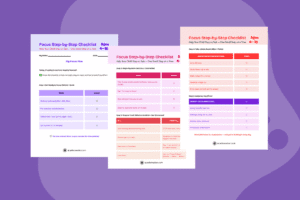
Bonus: Free Printable Learning Space Checklist
We’ve created a free downloadable checklist to help you build the perfect study zone — step by step.
Final Thoughts
A productive learning space doesn’t have to be big or expensive; it just needs to be intentional. With the right location, supplies, and routines, your child (or you!) can study smarter, stay focused, and enjoy learning more right from home.
Whether you’re homeschooling, supporting remote learning, or just helping with homework, this space will become a launchpad for academic success.




No comments yet. Be the first to comment!
Please log in to post a comment.