
Every school year starts with crisp notebooks and full boxes of crayons. But by October, pencils are broken, glue sticks are dried up, and glitter somehow ends up in the laundry room.
If your home feels like a mini art supply store gone wild, you are not alone. Between backpacks, pencil cases, and random handouts, school supplies have a way of multiplying quickly.
The good news is that you do not need a fancy organizer or a closet overhaul to regain control. With a few smart strategies, you can organize school supplies without clutter and keep only what is needed, where it is needed.
In this guide, you will learn:
- How to sort and store supplies the right way
- Why having too much causes more stress than help
- Simple systems that work for preschoolers to preteens
- And yes, a free printable supply tracker to keep things simple
Let us turn back-to-school chaos into calm, one pencil at a time.
Step 1: Start with a Supply Audit
Before organizing, declutter.
At the start or midpoint of the school year, pull out all supplies from backpacks, desks, drawers, and forgotten corners.
Then ask:
- Is it usable? No dried-up markers.
- Is it needed this year?
- Does my child actually use it?
Sort into three piles:
- Keep – In good condition and relevant
- Toss or Replace – Broken, dried out, or expired
- Donate or Share – Extra pencils, unused notebooks. These are great for classroom donations.
Tip: Do this once per semester. Kids grow out of supplies and habits fast.
Step 2: Use the “One Home, One Spot” Rule
Clutter happens when things do not have a designated place.
Apply the “One Home, One Spot” rule. Every type of supply has one storage spot in the house.
Examples:
- Crayons go in an art caddy in the kitchen nook
- Homework folders go in a bin on the study shelf
- Lunchbox and water bottle hang on a hook by the door
This prevents duplicates and makes clean-up easy.
Real-life example: One parent noticed they kept buying new scissors because they could never find the old ones. After assigning a labeled bin in the desk drawer, the family never lost a pair again.
Step 3: Store Smart — Not Full
More supplies do not mean better organization.
In fact, overstocking leads to overwhelm. A packed pencil case or overflowing bin makes it harder for kids to find what they need.
Instead:
- Keep only daily essentials in the backpack or pencil pouch
- Store extras at home in a central supply station
- Label everything clearly. Use words and pictures for younger kids
What to Pack Daily:
- Two pencils
- One eraser
- One glue stick
- Scissors, if needed
- Ruler
Leave the rest at home unless a project requires it.
Step 4: Create a Central Supply Station
You do not need a craft room. Even a small shelf, bin, or drawer can become a supply hub.
What to Include:
- Labeled containers for each category:
- Pencils and pens
- Glue and tape
- Scissors and rulers
- Crayons and markers
- Paper clips and sticky notes
- Reserve stock of backup supplies
- Repair kit with sharpeners, tape, and stapler
Place it near the homework area or entryway, somewhere easy to access.
Pro tip: Use clear bins so kids can see what is inside. Add color-coded labels for quick identification.
Step 5: Rotate Seasonal and Project-Based Supplies
Not all supplies are used year-round.
Store seasonal items such as poster board, paint, or holiday crafts in a separate box. Only bring them out when needed.
For big projects:
- Set up a temporary project zone, such as the dining table
- Use a tray or bin to hold all related supplies
- Clean up daily to prevent clutter buildup
This keeps everyday spaces clear and focused.
Step 6: Involve Your Child
Let your child help organize their supplies within reasonable limits.
Ways to involve them:
- Let them pick bin colors or decorate labels
- Ask, “Where do you think these should go?”
- Give them a job such as checking the pencil cup every Friday
When kids feel ownership, they are more likely to maintain order.
Step 7: Maintain with Mini Reset Routines
Organization does not last without upkeep.
Build in two quick habits:
- Weekly: Empty backpacks, refill pencil pouches, toss broken items
- Monthly: Reassess what is being used and donate extras
Make it part of your Sunday night reset.
Bonus Tips to Prevent Clutter
- Avoid over-purchasing. Buy only what is on the school list, not the “just in case” extras.
- Say no to novelty supplies. Light-up pens look fun but distract from learning.
- Use multi-purpose tools. Choose colored pencils instead of 20 markers. Use a hole punch instead of staples.
- Go digital when possible. Use tablets or apps to reduce paper clutter.
- Label everything. Name tags on supplies cut loss by up to 60 percent. Classroom studies show this works.
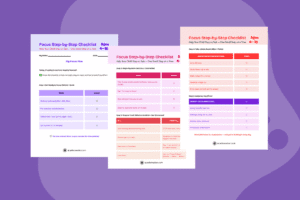
Free Printable: School Supply Tracker
Want to stay on top of what you have and what you need?
Download our Free School Supply Tracker here
(Replace with your actual download link)
Includes:
- Checklist by grade level
- Storage labels you can print
- Weekly backpack audit sheet
- Reorder alert list
Perfect for back-to-school prep or a mid-year refresh.
Conclusion
Organizing school supplies is not about having the most containers or the neatest shelves. It is about creating a simple, sustainable system that reduces clutter, saves time, and helps your child focus on learning instead of lost erasers.
Start small. Pick one step, such as the supply audit or a labeled bin, and try it this week.
When everything has a home, even the busiest school year can feel under control.
You have got this.
❓ Frequently Asked Questions (FAQ)
1: How many school supplies should my child keep in their backpack?
Only the essentials needed for the day. This usually includes 2 pencils, 1 eraser, 1 glue stick, scissors (if required), and a ruler. Keeping the backpack light helps prevent loss and makes it easier to find what they need.
2: What’s the best way to label school supplies?
Use waterproof labels, masking tape with permanent marker, or write names clearly with a fine-tip Sharpie. For younger kids, pair the name with a picture or color code. Label everything — even erasers and pencil caps!
3: How often should I clean out my child’s backpack?
Once a week is ideal. Empty it completely, remove crumpled papers and broken items, and wipe it down if needed. Do a deeper supply check every month to replace used-up items and reorganize.
4: My child keeps losing supplies. What can I do?
First, make sure every item is labeled. Second, limit what goes into the backpack — fewer items mean less chance of loss. Third, use a consistent storage system at home so replacements are easy to find.
5: Should I buy extra supplies “just in case”?
It’s smart to keep a small backup stash at home, but avoid over-purchasing. Too many extras create clutter and reduce responsibility. Instead, teach your child to take care of what they have and return low items to a central home bin.




No comments yet. Be the first to comment!
Please log in to post a comment.